
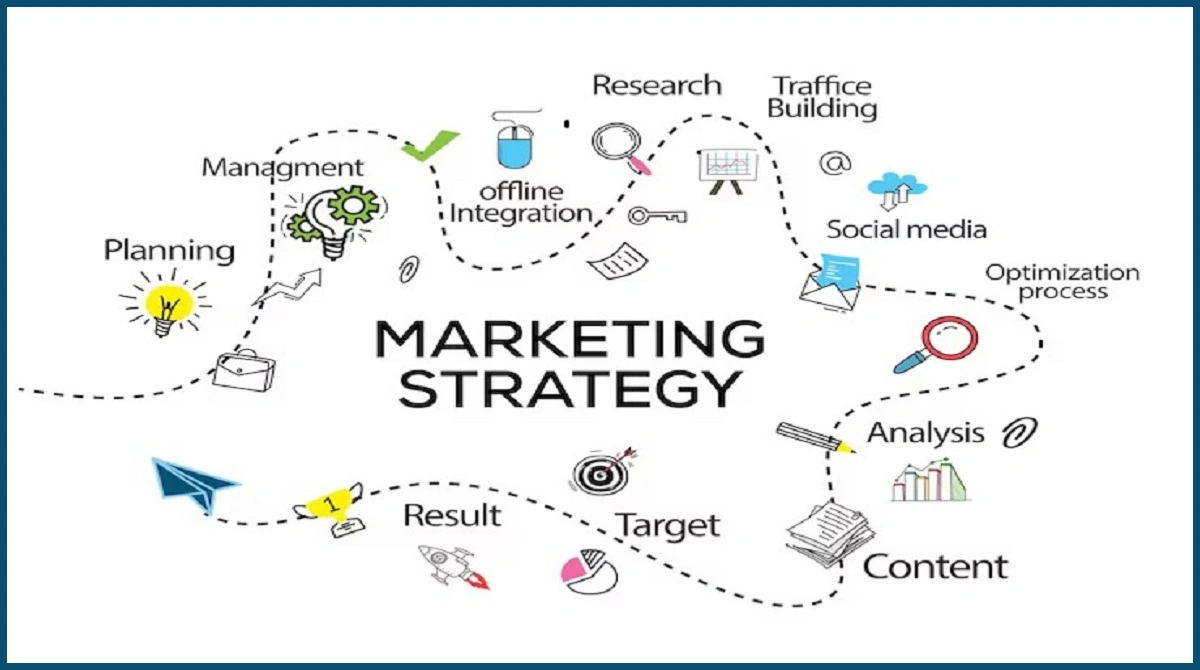
In today’s fast-evolving digital landscape, businesses must adapt quickly to stay competitive. A strong online presence is no longer optional—it’s essential for growth, lead generation, and long-term success. As we move into 2026, building a winning digital marketing strategy requires a combination of data-driven insights, advanced technologies, and customer-focused execution.
Whether you’re working with digital marketing or managing campaigns in-house, success depends on integrating multiple channels such as SEO services, paid advertising, content marketing, and conversion optimization into a unified strategy.
This guide explains how to build a results-driven digital marketing strategy that converts traffic into measurable business outcomes.
Why Does a Digital Marketing Strategy Matter in 2026?
The digital ecosystem has become more complex with the rise of AI-powered search engines, personalized marketing, and multi-channel customer journeys. Businesses that rely on outdated tactics risk losing visibility and market share.
A well-defined strategy helps:
- attract targeted audiences
- improve brand awareness
- generate qualified leads
- increase conversions and sales
- maximize return on investment (ROI)
Without a structured approach, marketing efforts often become inconsistent and ineffective.
What Are the Key Trends Shaping Digital Marketing in 2026?
Before building a strategy, it’s important to understand the trends driving digital marketing success.
Digital Marketing Trends in 2026
| Trend | Impact on Strategy |
| AI-Powered Search | Requires AI SEO and AEO optimization |
| Personalization | Improves engagement and conversion rates |
| Voice Search | Increases need for conversational content |
| Video Marketing | Drives higher engagement |
| Data-Driven Decisions | Improves campaign performance |
These trends highlight the need for a modern strategy that combines technology with user-focused content.
Define Clear Business Goals
Every successful strategy begins with clearly defined objectives.
Common goals include:
- increasing website traffic
- generating leads
- improving conversion rates
- boosting online sales
- enhancing brand awareness
Goals should be specific, measurable, and aligned with business outcomes.
For example:
“Increase website leads by 30% in 6 months through SEO and PPC campaigns.”
Identify Your Target Audience
Understanding your audience is critical for effective marketing.
Businesses should analyze:
- demographics (age, location, income)
- behavior (online activity, interests)
- pain points and challenges
- purchasing habits
Creating detailed customer personas helps tailor marketing messages and improves campaign performance.
A professional digital marketing agency often uses advanced analytics tools to identify and segment target audiences accurately.
Invest in SEO Services for Long-Term Growth
Search engine optimization (SEO) remains a cornerstone of digital marketing.
SEO services help businesses rank higher in search results, driving organic traffic from users actively searching for products or services.
Key SEO strategies include:
- keyword research and optimization
- technical SEO improvements
- content creation and optimization
- backlink building
- local SEO optimization
In 2026, SEO also includes AI search optimization, ensuring content is visible in AI-generated search results.
SEO provides long-term value by generating consistent traffic without ongoing advertising costs.
Use Paid Advertising for Immediate Results
While SEO builds organic visibility, paid advertising delivers immediate traffic.
Platforms such as Google Ads and social media advertising allow businesses to target specific audiences based on:
- location
- interests
- search behavior
- demographics
PPC campaigns are highly effective for:
- lead generation
- product promotion
- brand awareness
A well-managed campaign by digital marketing ensures efficient budget allocation and higher return on ad spend.
Create High-Quality Content
Content marketing plays a key role in attracting and engaging audiences.
Effective content strategies include:
- blog articles
- videos
- infographics
- case studies
- guides and tutorials
Content should be:
- informative and valuable
- aligned with user intent
- optimized with SEO keywords
- structured for readability
High-quality content not only improves search rankings but also builds trust with potential customers.
Optimize for Conversions
Driving traffic is only part of the strategy—converting visitors into customers is the ultimate goal.
Conversion rate optimization (CRO) focuses on improving website performance.
Key techniques include:
- clear calls-to-action (CTAs)
- user-friendly design
- fast page load speed
- mobile optimization
- A/B testing
Key Conversion Optimization Factors
| Factor | Impact on Conversions |
| Strong CTAs | Encourages user action |
| Fast Loading Speed | Reduces bounce rates |
| Mobile Optimization | Improves accessibility |
| Trust Signals | Builds credibility |
| Simple Navigation | Enhances user experience |
Even small improvements can significantly increase conversion rates.
Leverage Social Media Marketing
Social media platforms provide powerful opportunities to connect with audiences.
Businesses can use social media to:
- build brand awareness
- engage with customers
- promote products and services
- drive traffic to websites
Paid social media campaigns also allow precise audience targeting.
A strong social media presence complements SEO and PPC efforts, creating a well-rounded digital marketing strategy.
Implement Email Marketing
Email marketing remains one of the highest ROI channels.
It helps businesses nurture leads and maintain relationships with customers.
Effective email campaigns include:
- personalized messages
- promotional offers
- product updates
- educational content
Automation tools allow businesses to send targeted emails based on user behavior, increasing engagement and conversions.
Use Data and Analytics
Data-driven decision-making is essential for optimizing marketing performance.
Businesses should track:
- website traffic
- conversion rates
- campaign ROI
- user behavior
Analytics tools provide insights into what works and what needs improvement.
A professional digital marketing uses data to continuously refine strategies and improve results.
Integrate AI and Automation
AI is transforming digital marketing in 2026.
Businesses can use AI tools for:
- content creation
- customer segmentation
- predictive analytics
- chatbots and customer support
Automation helps streamline processes and improve efficiency, allowing businesses to scale their marketing efforts.
What Are the Benefits of Hiring a Digital Marketing Agency?
Managing multiple marketing channels can be complex.
Partnering with a digital marketing services provides:
- expert strategy development
- access to advanced tools
- ongoing optimization
- scalable growth
Agencies bring experience and industry knowledge, helping businesses achieve better results faster.
The Ultimate Guide to Multi-Channel Digital Marketing and Growth
Building a winning digital marketing strategy in 2026 requires a combination of SEO services, paid advertising, content marketing, and conversion optimization.
Businesses must focus on user intent, leverage AI-driven tools, and continuously analyze performance to stay competitive.
By integrating multiple marketing channels and working with a skilled digital marketing agency like SKY SEO Digital, companies can create a strategy that not only attracts traffic but also converts visitors into loyal customers.
In an increasingly competitive digital landscape, a well-executed strategy is the key to achieving sustainable growth and long-term success.
FAQs
What is a digital marketing strategy in 2026?
A digital marketing strategy in 2026 is a data-driven plan that combines SEO services, paid advertising, content marketing, social media, and AI tools to attract, engage, and convert customers online.
Why are SEO services important in digital marketing?
SEO services help businesses rank higher in search engines, drive organic traffic, and generate long-term leads. They are essential for building online visibility and sustainable growth.
How can a digital marketing agency help businesses grow?
A digital marketing agency provides expert strategies, advanced tools, and ongoing optimization across multiple channels like SEO, PPC, and content marketing to improve traffic, leads, and conversions.
What are the key components of a successful digital marketing strategy?
Key components include SEO services, paid advertising (PPC), content marketing, social media marketing, email marketing, conversion rate optimization, and data analytics.