
The Top 10 SEO Mistakes Resorts Make and How to Avoid Them

Now more than ever, having a strong online presence is crucial for any resort looking to attract new customers and boost bookings. Search Engine Optimization (SEO) plays a critical role in driving traffic to a resort’s website and increasing its visibility on search engines. However, many resorts make common SEO mistakes that can hurt their online visibility and ultimately impact their bottom line. In this article, we will highlight the top 5 SEO mistakes resorts make and provide actionable tips on how to avoid them:

  1. Not Optimizing for Local Search: One of the biggest mistakes resorts make is not optimizing for local search. Many people search for resorts near them, and if your resort does not show up in local search results, you will be missing out on potential customers. To avoid this mistake, make sure your website and local listings have accurate and consistent information about your resort, including your address, phone number, and hours of operation.
  2. Ignoring Mobile Optimization: With more people using their mobile devices to search for information, it’s important that your website is optimized for mobile. If your website is not mobile-friendly, it can hurt your search engine rankings and lead to a poor user experience. To avoid this mistake, make sure your website is responsive and loads quickly on mobile devices.
  3. Not Creating Quality Content: Creating quality content is essential for any SEO strategy. If your website doesn’t have high-quality content, it will be difficult to attract and retain visitors. To avoid this mistake, create content that is informative, engaging, and relevant to your target audience.
  4. Neglecting On-Page Optimization: On-page optimization refers to the various elements on your website that impact your search engine rankings, such as title tags, meta descriptions, and header tags. Neglecting on-page optimization can hurt your search engine rankings and make it difficult for people to find your website. To avoid this mistake, make sure you optimize all of the on-page elements on your website.
  5. Focusing on Quantity over Quality of Links: While building links is an important part of any SEO strategy, it’s important to focus on quality over quantity. Building low-quality links can actually hurt your search engine rankings, so it’s important to focus on getting high-quality links from reputable websites. To avoid this mistake, focus on building relationships with other websites in your industry and creating high-quality content that others will want to link to.
  6. Not using the right keywords: When choosing keywords, it’s important to consider what potential customers are searching for. You can use Google’s Keyword Planner tool to help you find the right keywords. Once you’ve chosen your keywords, you need to use them throughout your website content, titles, and meta descriptions. Make sure to use them in a natural way, and don’t stuff your content with keywords.You can also use keyword research tools to help you find long-tail keywords that are less competitive and have a higher chance of converting.
  7. Not building backlinks: Backlinks are links from other websites to your website. They are an important ranking factor in Google’s algorithm. There are a number of ways to build backlinks, such as guest blogging, creating infographics, and participating in online forums. When building backlinks, it’s important to focus on quality over quantity. Backlinks from high-quality websites will have a greater impact on your rankings than backlinks from low-quality websites.
  8. Not updating their website content regularly: Google rewards websites that are updated regularly with fresh content. Make sure to update your website content on a regular basis with new blog posts, articles, and other information. You can also use social media to share your content and drive traffic to your website.
  9. Not using social media: Social media is a great way to reach new customers and promote your resort. Make sure to use social media to share your content, connect with potential customers, and drive traffic to your website. You can also use social media to run contests and giveaways, which can help you generate leads and increase brand awareness.
  10. Not tracking their results: It’s important to track SEO results so that you can see what’s working and what’s not. There are a number of tools that can help you track your SEO results, such as Google Analytics and Google Search Console. By tracking your results, you can identify what’s working well and make adjustments to your strategy as needed.

Stay Ahead of the Competition

Optimizing your resort’s website for search engines is essential to attract new customers and increase bookings. By avoiding these SEO mistakes, and implementing the best practices, you can improve your website’s ranking on search engines, drive more traffic to your site, and ultimately increase your revenue. Remember, SEO is an ongoing process, and it’s crucial to stay up-to-date with the latest trends and algorithm updates to stay ahead of the competition.


Posted in SEO

How to Create a Winning Social Media Strategy

Social media has become an integral part of any business’s marketing strategy. It has a significant impact on brand awareness, customer engagement, and conversion rates. To create a winning social media strategy, you need to consider several factors that contribute to its success.

Define Your Goals

The first step in creating a winning social media strategy is to determine your goals. It is essential to understand what you want to achieve through social media marketing, whether it is to increase brand awareness, generate leads, drive traffic to your website, or boost sales. Setting specific, measurable, attainable, relevant, and time-bound (SMART) goals that align with your overall marketing objectives will help you measure the effectiveness of your social media strategy.

Identify Your Target Audience

Knowing your target audience is critical to creating a social media strategy that resonates with them. Develop buyer personas that represent your ideal customers based on their demographics, psychographics, and behavioral attributes. Conduct market research to gather information about your audience’s pain points, interests, and preferences. Use this information to create content that speaks directly to your target audience.

Choose the Right Social Media Platforms

Not all social media platforms are created equal. Each platform caters to different audiences and serves different purposes. Choosing the platforms that align with your target audience and business goals is crucial. For example, LinkedIn is suitable for B2B businesses, while Instagram is ideal for visual storytelling. Consider the platform’s user demographics, features, and ad options before choosing the right one for your business.

Create a Content Strategy

A content strategy is a plan that outlines the type of content you’ll create, the frequency of posting, and the tone and style of your content. Create content that is educational, informative, and engaging to your audience. Determine the type of content that performs best on each platform, whether it is images, videos, infographics, or blog posts. Establish a content calendar that aligns with your overall marketing strategy and includes important dates and events.

Engage With Your Audience

Social media is a two-way conversation. Engage with your audience by responding to comments, direct messages, and mentions. Encourage user-generated content by running social media contests and sharing user-generated content. Use social media to provide customer service and gather feedback from your audience. Engage with influencers and brand advocates to expand your reach and increase brand awareness.

Monitor and Analyze Your Results

Monitoring and analyzing your social media performance is essential to measure the effectiveness of your strategy. Use social media analytics tools to track metrics such as engagement, reach, impressions, and click-through rates. Analyze your data regularly to identify trends, patterns, and areas for improvement. Use your insights to adjust your strategy and optimize your social media performance.

Keep Up With Trends

Social media trends and algorithms are constantly evolving. Staying up-to-date with the latest trends and algorithm updates will help you stay relevant and competitive. Engage with your audience using the latest features, such as Instagram Reels, Facebook Live, and Twitter Spaces. Keep an eye on emerging trends and incorporate them into your strategy to stay ahead of the competition.

Planning, Execution, and Optimization 

In conclusion, creating a winning social media strategy requires careful planning, execution, and optimization. Define your goals, identify your target audience, choose the right social media platforms, create a content strategy, engage with your audience, monitor and analyze your results, and keep up with trends. By following these steps, you’ll be on your way to creating a successful social media strategy that drives results.

The Ultimate Guide to Digital Marketing

[et_pb_section fb_built=”1″ admin_label=”section” _builder_version=”4.16″ global_colors_info=”{}” theme_builder_area=”post_content”][et_pb_row admin_label=”row” _builder_version=”4.27.5″ background_size=”initial” background_position=”top_left” background_repeat=”repeat” hover_enabled=”0″ global_colors_info=”{}” theme_builder_area=”post_content” width=”100%” max_width=”2560px” sticky_enabled=”0″][et_pb_column type=”4_4″ _builder_version=”4.16″ custom_padding=”|||” global_colors_info=”{}” custom_padding__hover=”|||” theme_builder_area=”post_content”][et_pb_text admin_label=”Text” _builder_version=”4.27.4″ background_size=”initial” background_position=”top_left” background_repeat=”repeat” global_colors_info=”{}” theme_builder_area=”post_content”]

Digital marketing has become an essential component of any successful business strategy in today’s world. With the ever-increasing use of the internet and social media, it has become necessary to have a comprehensive digital marketing plan in place to reach and engage with potential customers.

From search engine optimization (SEO) to social media marketing and email campaigns, there are various tactics that businesses can use to boost their online presence and drive traffic to their websites.

This guide aims to provide an overview of the different aspects of digital marketing and offer practical tips and strategies for businesses looking to improve their online marketing efforts.

Search Engine Optimization (SEO)

SEO is the process of optimizing your website to rank higher in search engine results pages (SERPs) for specific keywords or phrases. Here are some key SEO strategies to help you get started:


      1. Keyword Research: Keyword research is the foundation of successful SEO. It involves identifying the words and phrases your target audience is searching for to find your products or services. Use tools like Google Keyword Planner, SEMrush, or Ahrefs to find the right keywords.

      1. On-page Optimization: Once you have identified the target keywords, optimize your website pages for those keywords. Include them in the page titles, meta descriptions, headers, and body content. However, avoid keyword stuffing, which can harm your website’s ranking.

      1. Technical SEO: Ensure that your website is technically optimized to provide a good user experience and facilitate search engine crawling. Some technical SEO elements to consider include having a fast loading speed, mobile-friendliness, and a secure HTTPS connection.

      1. Content Creation: Publishing high-quality, informative content regularly is essential for SEO success. It helps to keep your website fresh and provide value to your audience. Consider creating blog posts, infographics, videos, and other content formats that align with your target audience’s interests.

      1. Link Building: Link building involves getting other websites to link back to your website. It’s a crucial factor in search engine ranking because search engines consider high-quality backlinks as a vote of confidence in your website’s authority. Some effective link building tactics include guest blogging, broken link building, and creating valuable content that other websites want to link to.

    Search Engine Marketing (SEM)

    SEM involves paid advertising on search engines like Google or Bing. Here are some key SEM strategies to help you get started:


        1. Keyword Research: Use the same keyword research tactics as for SEO to identify the right keywords to target in your ads.

        1. Ad Creation: Create compelling ads that target the keywords you’ve identified. Use persuasive language and include a clear call-to-action (CTA) to encourage clicks.

        1. Landing Page Optimization: Ensure that your landing pages are optimized for the keywords you’re targeting and provide a seamless experience from the ad to the landing page. Use a clear headline, compelling copy, and a prominent CTA.

        1. Budget Management: Set a budget for your SEM campaigns and monitor your spending regularly to ensure you’re getting a good return on investment (ROI). Consider using bid management tools like Google Ads automated bidding to optimize your ad spend.

        1. Ad Testing: Test different ad variations to identify what works best for your audience. Test different headlines, ad copy, and images to optimize your ad performance.

      Social Media Marketing

      Social media marketing involves promoting your business on various social media platforms, such as Facebook, Instagram, Twitter, LinkedIn, and more. Here are some key social media marketing strategies to help you get started:


          1. Audience Research: Conduct audience research to identify which social media platforms your target audience uses and what type of content they engage with. Use tools like Facebook Insights, Instagram Insights, or Twitter Analytics to gather insights about your audience.

          1. Content Creation: Create engaging content that resonates with your target audience. Use a mix of images, videos, and text to keep your audience engaged. Consider using social media scheduling tools like Hootsuite or Buffer to help you plan and publish your content.

          1. Community Management: Engage with your audience by responding to comments, messages, and mentions. Use social listening tools like Hootsuite Insights or Sprout Social to monitor your brand mentions and respond to customer inquiries promptly.

          1. Influencer Marketing: Collaborate with social media influencers to reach a wider audience and increase your brand awareness.

        Email Marketing

        Email marketing involves sending targeted and personalized emails to your subscribers with the goal of nurturing relationships, promoting products or services, and driving conversions. Here are some key email marketing strategies to help you get started:


            1. List Building: Build a quality email list by offering valuable content or incentives in exchange for email addresses. Consider using lead magnets such as ebooks, webinars, or discount codes to encourage sign-ups.

            1. Segmentation: Segment your email list based on various criteria such as demographics, interests, behavior, or stage in the sales funnel. Use segmentation to personalize your emails and make them more relevant to your subscribers.

            1. Email Design: Design visually appealing and mobile-responsive emails that align with your brand identity. Use clear and concise copy, compelling images, and a prominent CTA to encourage clicks.

            1. Automation: Use email automation to save time and send targeted messages based on triggers such as sign-ups, purchases, or website behavior. Consider using tools like Mailchimp or HubSpot to create and manage your email campaigns.

          Web Design

          Web design is the process of creating visually appealing and user-friendly websites that attract and retain visitors. Here are some key web design strategies to help you get started:


              1. User Experience: Prioritize user experience by ensuring that your website has easy navigation, fast loading speed, and intuitive design. Use tools like Google Analytics to track user behavior and optimize your website accordingly.

              1. Responsive Design: Ensure that your website is responsive and looks great on all devices, including desktops, laptops, tablets, and smartphones. Use tools like Responsive Design Checker to test your website’s responsiveness.

              1. Visual Design: Use visually appealing elements such as high-quality images, videos, and graphics to make your website stand out. Use colors, fonts, and layout that align with your brand identity.

              1. Conversion Optimization: Use persuasive design elements such as clear calls-to-action, easy checkout process, and trust badges to increase conversions. Use A/B testing tools like Google Optimize to test different design variations and optimize your website for conversions.

            Recent Innovations in Digital Marketing

            The digital marketing industry is constantly evolving, and new technologies and trends emerge every year. Here are some recent innovations in digital marketing that you should be aware of:


                1. Artificial Intelligence (AI): AI is being used in digital marketing to automate tasks such as audience segmentation, ad targeting, and chatbots. AI-powered tools like Phrasee or Persado are helping marketers to create more effective ad copy and email subject lines.

                1. Voice Search Optimization: With the rise of smart speakers like Amazon Alexa and Google Home, voice search optimization has become a crucial aspect of SEO. Businesses are optimizing their content and websites for voice search queries to reach more potential customers.

                1. Video Marketing: Video marketing is becoming more popular, with platforms like YouTube and TikTok attracting millions of users. Businesses are using video to showcase their products, services, and brand personality. Live streaming and 360-degree videos are also gaining popularity.

                1. Augmented Reality (AR) and Virtual Reality (VR): AR and VR technologies are being used in digital marketing to provide immersive experiences and help customers visualize products in real-time. Businesses are using AR and VR in areas such as product demos, virtual showrooms, and interactive ads.

              Crucial to Success

              Digital marketing is a crucial aspect of business success in today’s online world. By implementing the right strategies for SEO, SEM, social media marketing, email marketing, and web design, you can attract more customers, increase engagement, and drive conversions. Keep up with the latest trends and innovations in the industry to stay ahead of the competition and achieve your business goals.

              [/et_pb_text][/et_pb_column][/et_pb_row][/et_pb_section]

              How to Repurpose Old Content

              As a website owner, you may have years of old content sitting on your site that may not be getting the attention it deserves. Perhaps it’s buried deep in your site, or maybe it was published before you had a sizable audience. Regardless of the reason, there’s an opportunity to dust off that old content and use it to grow your organic traffic. In this article, we’ll discuss how you can consolidate your old content and use it to drive more traffic to your site.

              Conduct an Audit of Your Old Content

              The first step in consolidating your old content is to conduct an audit of your site. Make a list of all your old content and analyze its performance. Look for articles that have low traffic, but high potential to attract new visitors. These articles might be evergreen content, how-to guides, or product reviews that are still relevant today. Once you have identified these articles, you can start to consolidate them.

              Consolidate Your Data Old Content

              Consolidating your old content means combining several related articles into one comprehensive guide. This is a great way to create a valuable resource that your visitors will love. Not only will it save your visitors time by having everything in one place, but it also gives them a reason to stay on your site for longer.

              For example, if you have a blog about gardening, you could consolidate several articles on “How to Start a Garden” into one comprehensive guide. You can also add new sections, update the content, and add images or videos to make it more engaging.

              Optimize Your Content for Search Engines

              Once you have consolidated your old content, it’s time to optimize it for search engines. Start by identifying the primary keyword for each article and include it in the title, headers, and throughout the content. Use descriptive meta tags and make sure your content is easy to read and scan. Additionally, you can include internal links to other related content on your site to keep visitors engaged and on your site longer.

              Promote Your Consolidated Content

              Now that you have created a valuable resource for your visitors, it’s time to promote it. Share your consolidated content on your social media channels, in your email newsletter, and reach out to influencers in your industry to see if they will share it with their followers. You can also consider running paid promotions on social media or through Google Ads to reach a wider audience.

              Monitor Your Analytics

              As with any content on your site, it’s essential to monitor your analytics to see how your consolidated content is performing. Look for changes in organic traffic, engagement metrics, and conversion rates. You can also use tools like Google Analytics to see where your traffic is coming from and adjust your promotional efforts accordingly.

              Grow Organic Traffic

              In conclusion, consolidating your old content is an effective way to grow your organic traffic. By creating a comprehensive guide, optimizing it for search engines, promoting it, and monitoring your analytics, you can turn your old content into a valuable resource for your visitors and attract new visitors to your site.

              How to Create SEO-Friendly Content That Ranks

              Nowadays, search engine optimization (SEO) is crucial for businesses and organizations looking to increase their online visibility and reach their target audience. One of the most important factors in SEO is content creation. The saying “Content is King” has become a mantra for digital marketers, emphasizing the importance of creating high-quality, informative, and relevant content for websites. In this article, we will discuss some key tips on how to create SEO-friendly content that ranks well on search engine results pages (SERPs).

              Thorough Keyword Research

              The first step in creating SEO-friendly content is conducting thorough keyword research. This involves identifying relevant keywords that are specific to your business or industry. Keyword research can be done using various tools such as Google Keyword Planner or SEMrush. The goal is to find high-volume, low-competition keywords that can be naturally incorporated throughout your content.

              When conducting keyword research, it is essential to consider the intent behind the search queries. This means understanding what users are searching for and tailoring your content to address their needs and interests. By focusing on user intent, you can create content that not only ranks well but also provides value to your target audience.

              Create High-Quality, Informative Content

              Once you have identified your keywords, the next step is to create high-quality, informative content. Your content should be well-researched, comprehensive, and relevant to your target audience. It is important to avoid keyword stuffing, which involves overusing keywords in an attempt to manipulate search rankings. Instead, aim to create content that provides value to your readers and is informative and engaging.

              In addition to providing valuable information, your content should also be visually appealing and easy to read. This can be achieved by using a clear page structure with subheadings, bullet points, and images. A well-structured page not only makes your content more accessible to readers but also helps search engines understand the structure and relevance of your content.

              Optimize Your Meta Tags and Descriptions

              Optimizing your meta tags and descriptions is another critical aspect of creating SEO-friendly content. Your meta tags and descriptions are important pieces of metadata that appear in search results and provide a brief summary of your content. It is essential to include relevant keywords and compelling descriptions that encourage users to click through to your website.

              When writing meta tags and descriptions, it is important to keep them concise and to the point. Use clear language and avoid using too much industry jargon or technical terms. Remember that your goal is to make your content as accessible as possible to your target audience.

              Quality Backlinks

              Finally, building quality backlinks is an essential factor in creating SEO-friendly content. Backlinks are links from other websites to your own, and they are an important factor in determining the authority and relevance of your website. Aim to build high-quality backlinks from reputable sources in your industry or niche. This can be done by creating valuable content that other websites will want to link to or by reaching out to other websites and requesting a link.

              When building backlinks, it is important to focus on quality over quantity. A few high-quality backlinks from reputable sources are more valuable than many low-quality backlinks from irrelevant or spammy websites. Building quality backlinks takes time and effort, but it is worth it in the long run as it can significantly improve your website’s visibility and ranking on SERPs.

              Things to Keep in Mind

              Creating SEO-friendly content is a crucial aspect of digital marketing in today’s online landscape. By following the tips outlined in this article, you can create high-quality, informative content that ranks well on search engine results pages.

              Remember to conduct thorough keyword research, create valuable and engaging content, use a clear page structure, optimize your meta tags and descriptions, and build quality backlinks from reputable sources. These strategies can help you increase your website’s visibility, drive traffic, and ultimately grow your business.

              However, it’s important to keep in mind that SEO is an ongoing process that requires consistent effort and monitoring. By regularly evaluating your website’s performance and adjusting your content strategy, you can continue to improve your search rankings and stay ahead of your competition. So, start creating SEO-friendly content today and watch your online presence grow!

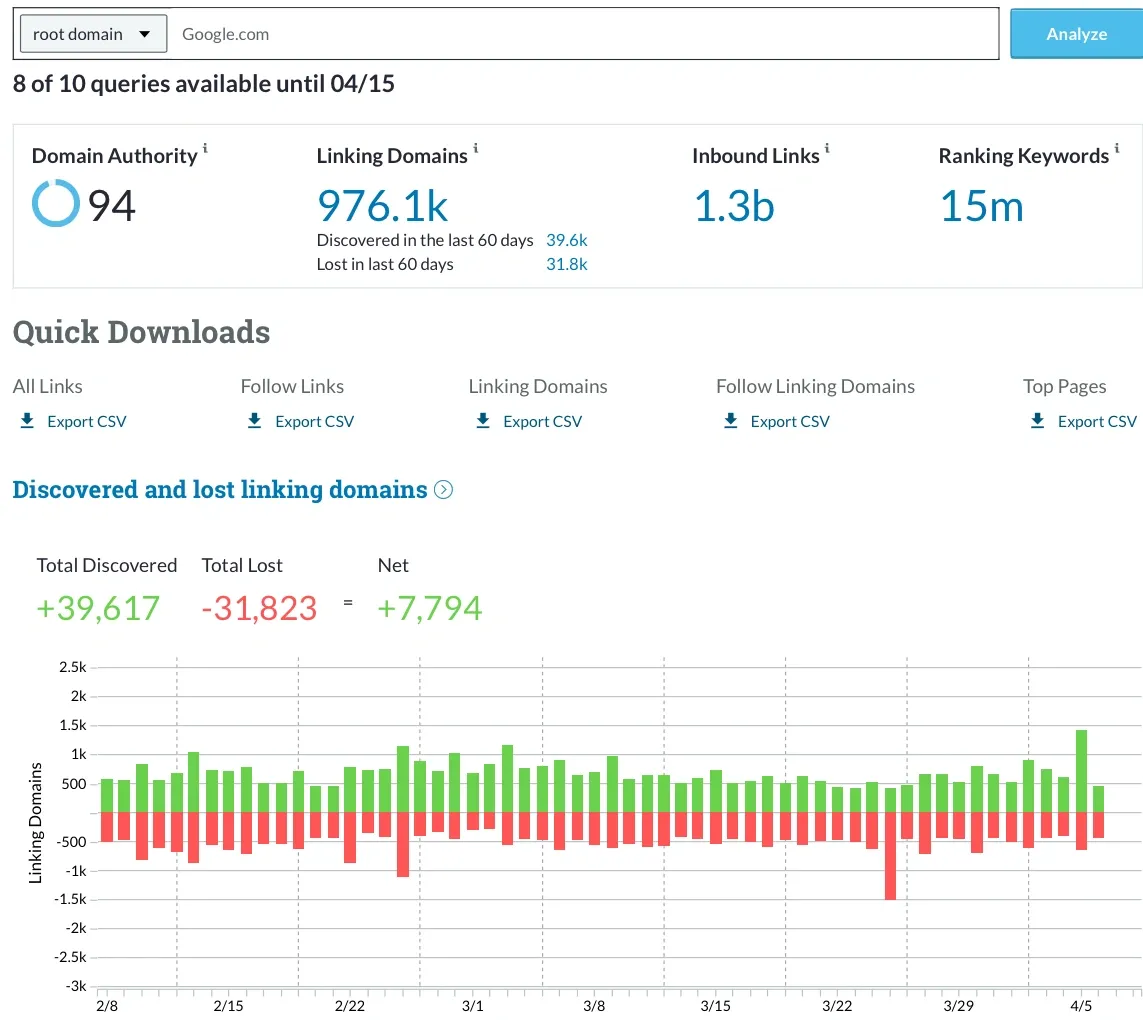
              Does Google Use Domain Authority as a Ranking Factor?

              [et_pb_section fb_built=”1″ admin_label=”section” _builder_version=”4.16″ global_colors_info=”{}” theme_builder_area=”post_content”][et_pb_row admin_label=”row” _builder_version=”4.27.5″ background_size=”initial” background_position=”top_left” background_repeat=”repeat” hover_enabled=”0″ global_colors_info=”{}” theme_builder_area=”post_content” width=”100%” max_width=”2560px” sticky_enabled=”0″][et_pb_column type=”4_4″ _builder_version=”4.16″ custom_padding=”|||” global_colors_info=”{}” custom_padding__hover=”|||” theme_builder_area=”post_content”][et_pb_text admin_label=”Text” _builder_version=”4.27.5″ background_size=”initial” background_position=”top_left” background_repeat=”repeat” hover_enabled=”0″ global_colors_info=”{}” theme_builder_area=”post_content” sticky_enabled=”0″]As one of the most popular search engines in the world, Google has developed a sophisticated algorithm that takes into account hundreds of factors to determine the ranking of a website on its search engine results pages (SERPs). For years, website owners and digital marketers have speculated that Domain Authority (DA) – a metric developed by Moz to measure the strength and credibility of a website – is one of these ranking factors. However, in recent years, Google has confirmed that they do not use DA as a ranking factor, and there are several examples within the SEO industry that demonstrate this.

              What is Domain Authority (DA)?

              Before we dive into why Google doesn’t use DA as a ranking factor, let’s briefly discuss what it is. Domain Authority is a metric developed by Moz that predicts how well a website will rank on search engine results pages. It is calculated based on a number of factors, including the number and quality of inbound links pointing to the site, the age of the domain, and the overall quality of the site’s content. DA is measured on a scale of 1 to 100, with higher scores indicating a stronger and more authoritative website.

              Why doesn’t Google use DA as a ranking factor?

              Despite its popularity among website owners and digital marketers, Google has repeatedly stated that they do not use DA as a ranking factor. In a tweet from 2019, Google’s John Mueller stated that “We don’t use DA. We use a lot of factors, but I wouldn’t call them ‘DA'”. This statement has been echoed by other Google representatives, including Gary Illyes, who stated in 2017 that “We don’t use Moz’s DA metric in our algorithm”. So why doesn’t Google use DA as a ranking factor? The answer lies in the fact that DA is a proprietary metric developed by Moz, and is not an objective measure of a website’s authority or relevance. While Moz’s methodology for calculating DA is based on factors that are generally considered to be important for SEO, it is not necessarily a reflection of how Google’s algorithm works. In fact, Moz themselves have acknowledged that DA is not a direct ranking factor for Google. In a blog post from 2019, Moz stated that “DA is not a direct ranking factor for Google or any other search engine”.

              Examples of SEO related websites with low DA that rank well

              If DA is not a ranking factor, then what factors does Google use to determine the ranking of a website? The answer is that there are hundreds of factors that are taken into account, including the quality of the content, the relevance of the content to the search query, the user experience of the website, and the number and quality of inbound links pointing to the site. To illustrate this, let’s look at some examples of SEO related websites that have a low DA score but still rank well on Google.

              Example 1: Backlinko

              Backlinko is a website that provides SEO advice and strategies. According to Moz, the site has a DA score of just 66, which is relatively low compared to other websites in its niche. Despite this, the site ranks on the first page of Google for a number of highly competitive keywords, including “SEO techniques”, “link building strategies“, and “on-page SEO”. This is likely due to the high quality of the content on the site, as well as the site’s strong user experience.

              Example 2: Ahrefs Blog

              Ahrefs is an SEO tool provider that also publishes a blog with SEO advice and case studies. According to Moz, the Ahrefs blog has a DA score of just 63, which is relatively low in comparison to its competitors. Despite this, the blog ranks on the first page of Google for a number of highly competitive keywords, including “backlink checker” and “SEO tool”. The Ahrefs blog achieves this through high-quality content that is relevant to its audience, as well as a strong social media presence and backlink profile.

              Example 3: Neil Patel

              Neil Patel is a well-known digital marketer who provides SEO advice and strategies on his website. Despite having a DA score of just 64 according to Moz, Neil Patel’s website consistently ranks on the first page of Google for a variety of highly competitive keywords, including “SEO tips”, “digital marketing”, and “content marketing”. This is likely due to Patel’s reputation as a thought leader in the industry, as well as the high-quality content and user experience on his site.

              Overlap between DA and Sites that rank well

              While Google has confirmed that they do not use DA as a ranking factor, there may still be some overlap between sites that have a high DA score and sites that rank well on Google. This is because many of the factors that contribute to a high DA score, such as a strong backlink profile and high-quality content, are also important for ranking well on Google. However, it’s important to note that having a high DA score does not guarantee that a site will rank well on Google, and vice versa.

              What’s This All Mean?

              While Domain Authority (DA) has long been considered an important metric for SEO, it’s important to understand that Google does not use it as a direct ranking factor. Instead, Google’s algorithm takes into account hundreds of factors to determine the relevance and authority of a website. Examples within the SEO industry, such as Backlinko, Ahrefs, and Neil Patel, demonstrate that a low DA score does not necessarily prevent a site from ranking well on Google. Digital marketers and website owners should focus on creating high-quality content and a positive user experience, as well as building a strong backlink profile, to improve their chances of ranking well on Google. [/et_pb_text][/et_pb_column][/et_pb_row][/et_pb_section]
              Posted in SEO

              AI and SEO: A Winning Combination

              Search engine optimization (SEO) has been around since the early days of the internet. In essence, it’s about creating content that helps websites rank higher in search engine results pages (SERPs) for specific search queries. While the core principles of SEO remain the same, advances in artificial intelligence (AI) have led to new tools and techniques that have revolutionized the field. In this article, we’ll explore how AI has improved SEO and how you can leverage these advances to improve your website’s rankings.

              1. Natural Language Processing (NLP) for Better Content Optimization

              One of the biggest challenges in SEO is creating content that’s optimized for both search engines and human readers. In the past, SEO experts relied on a combination of keyword research and manual content optimization to achieve this balance. However, with the advent of natural language processing (NLP), AI algorithms can now analyze the language and meaning of text at a deeper level.

              Google’s BERT (Bidirectional Encoder Representations from Transformers) algorithm is one example of NLP in action. BERT helps Google understand the context of search queries, allowing it to deliver more accurate and relevant results. As a result, content creators can now focus on creating high-quality content that addresses user intent, rather than simply stuffing keywords into their articles.

              2. Image Recognition for Better Image Optimization

              Images are an important component of many websites, but they can also be a drag on page load times if not optimized properly. AI-powered image recognition tools can help address this issue by automatically optimizing images for faster loading times and better search engine rankings.

              Google’s Cloud Vision API is one such tool. It uses machine learning algorithms to analyze the content of images and provide relevant labels and metadata. This can help search engines better understand the context of images on your website, leading to improved rankings and a better user experience.

              Another example of AI-powered image recognition tool is the Kraken.io, an image optimization API that uses machine learning to automatically optimize images for faster loading times. Kraken.io’s AI algorithms analyze the content and structure of images to determine the best compression settings, resulting in smaller file sizes without compromising image quality. This leads to faster page load times, improved user experience, and ultimately better search engine rankings. By using AI-powered image optimization tools, businesses and website owners can improve their website’s performance, reduce bounce rates, and increase their online visibility.

              3. Personalization for Better User Engagement

              User engagement is a key factor in SEO rankings. The longer a user stays on your site, the more likely it is that your content is relevant and valuable. AI-powered personalization tools can help improve user engagement by tailoring content to individual users’ preferences.

              Netflix is a prime example of personalization in action. Its AI algorithms analyze user viewing history and behavior to recommend content that’s likely to be of interest. Similarly, eCommerce websites can use AI to recommend products based on a user’s browsing and purchase history. By providing personalized content and recommendations, you can increase user engagement and improve your website’s SEO rankings.

              Another example of AI-powered personalization tools is Amazon’s recommendation engine. Amazon’s algorithms analyze a user’s browsing and purchase history, as well as other data such as demographics and location, to provide personalized product recommendations. The recommendations are based on machine learning algorithms that constantly learn and adapt to user behavior. This personalized approach has helped Amazon increase user engagement and drive more sales. By implementing AI-powered personalization tools on your website, you can also improve user engagement and drive more conversions, ultimately boosting your SEO rankings.

              4. Voice Search Optimization for Better Voice Search Results

              With the rise of smart speakers and virtual assistants, voice search is becoming an increasingly important factor in SEO. However, optimizing for voice search requires a different approach than traditional SEO.

              AI-powered voice recognition tools can help improve your website’s voice search rankings by analyzing the language and context of spoken queries. Google’s AI-powered voice recognition technology is one such tool. It can recognize natural language queries and provide more accurate and relevant results. By optimizing your content for voice search, you can improve your website’s visibility and reach a broader audience.

              5. Predictive Analytics for Better SEO Strategy

              Predictive analytics uses AI algorithms to analyze large amounts of data and make predictions about future outcomes. In the context of SEO, predictive analytics can help you identify trends and make data-driven decisions about your SEO strategy.

              For example, the AI-powered SEO tool, BrightEdge, uses predictive analytics to help businesses identify keyword opportunities and prioritize their SEO efforts. Similarly, Google’s AI-powered Search Console provides insights into user behavior and search trends, allowing website owners to optimize their content for the queries and keywords that matter most.

              Another example of how AI has improved SEO is through the use of chatbots. Chatbots are AI-powered conversational agents that can interact with users in real-time. By incorporating chatbots into your website, you can provide personalized assistance to users, helping to improve user engagement and ultimately boost your SEO rankings.

              For instance, the chatbot tool, Drift, uses AI to understand and respond to user inquiries, providing a more personalized and efficient experience. By using chatbots to answer common questions, you can free up your customer support team to focus on more complex issues while still providing timely assistance to users. This can lead to increased user engagement, improved brand loyalty, and ultimately, better SEO rankings.

              Transforming AI with SEO

              AI has transformed the field of SEO, providing new tools and techniques for improving search rankings and user engagement. By leveraging the power of AI, businesses and website owners can gain a competitive advantage in the ever-evolving world of digital marketing.

              From natural language processing to predictive analytics, AI-powered SEO tools can help you create content that’s optimized for search engines and tailored to user preferences. By staying up-to-date with the latest AI trends and technologies, you can ensure that your website remains visible and relevant in an increasingly crowded online landscape. So, embrace the power of AI and take your SEO strategy to the next level.

              50-Point SEO Checklist

              As the digital world is expanding, Search Engine Optimization (SEO) is becoming increasingly crucial for businesses of all sizes. The right SEO strategies can help businesses improve their online visibility and reach their target audience, leading to more traffic, leads, and conversions.

              To ensure that your website is optimized for search engines and is performing at its best, it is essential to follow a comprehensive SEO checklist. In this article, we have compiled a 50-point SEO checklist that will help you optimize your website and improve your search engine rankings.

              1. Keyword Research Keyword: research is the foundation of any SEO strategy. It helps you identify the most relevant and valuable keywords that your target audience is searching for. Use tools like Google Keyword Planner, Ahrefs, or SEMrush to find the right keywords for your business.
              2. Keyword Mapping: Once you have identified your target keywords, it’s essential to map them to the right pages on your website. Each page should have a unique target keyword that is relevant to the content on that page.
              3. On-Page Optimization: Optimize your web pages with the target keywords by including them in the title tags, meta descriptions, headers, and content. Ensure that your content is of high quality and provides value to the reader.
              4. URL Structure: Keep your URL structure simple, clean, and relevant to the content on the page. Avoid using long URLs with unnecessary parameters.
              5. Mobile Optimization: Ensure that your website is optimized for mobile devices. Google gives preference to mobile-friendly websites in its search results.
              6. Site Speed Site: speed is crucial for user experience and SEO. Use tools like Google PageSpeed Insights or GTmetrix to analyze and improve your website’s speed.
              7. Content Quality: High-quality content is essential for both users and search engines. Ensure that your content is well-written, informative, and adds value to the reader.
              8. Content Length: Long-form content tends to perform better in search engine rankings. Aim for at least 1000 words of content on each page.
              9. Content Structure: Organize your content into headings, subheadings, and bullet points. This makes it easier for users to read and improves your chances of ranking for featured snippets.
              10. Image Optimization: Optimize your images for search engines by using descriptive file names, alt text, and captions.
              11. Internal Linking: Link to other relevant pages on your website using anchor text. This helps search engines understand the structure of your website and the relationships between different pages.
              12. External Linking: Link to other authoritative websites using relevant anchor text. This helps establish your website as a trustworthy source of information.
              13. Schema Markup: Implement schema markup on your website to help search engines understand the content on your pages better.
              14. Robots.txt: Ensure that your website’s robots.txt file is correctly configured to allow search engines to crawl your site.
              15. XML Sitemap: Submit an XML sitemap to search engines to help them discover and index all the pages on your website.
              16. Canonical: URLs Use canonical URLs to avoid duplicate content issues.
              17. HTTPS: Ensure that your website is using HTTPS, as Google gives preference to secure websites in its search results.
              18. Google Analytics: Install Google Analytics on your website to track your website’s traffic, user behavior, and conversion rates.
              19. Google Search Console: Set up Google Search Console to monitor your website’s performance in Google search results and identify any issues that need to be fixed.
              20. Bing Webmaster Tools: Set up Bing Webmaster Tools to monitor your website’s performance in Bing search results.
              21. Social Media Presence: Maintain an active social media presence to drive traffic to your website and improve your online visibility.
              22. Google My Business: Create and optimize your Google My Business listing to improve your local search engine rankings and provide potential customers with valuable information about your business.
              23. Backlink Profile Monitor: and improve your backlink profile by acquiring high-quality backlinks from authoritative websites.
              24. Broken Links: Regularly check your website for broken links and fix them to improve user experience and search engine rankings.
              25. User Experience: Optimize your website’s user experience by improving page load times, navigation, and mobile-friendliness.
              26. Social Signals Social: signals can influence search engine rankings. Encourage social sharing of your content to improve your online visibility.
              27. Local SEO: If you have a local business, optimize your website for local SEO by including your business address, phone number, and reviews on your website.
              28. Video Content: Video content can help improve your search engine rankings and engage your audience. Include relevant videos on your website and optimize them for search engines.
              29. Voice Search Optimization: Optimize your website for voice search by using long-tail keywords and creating content that answers common questions.
              30. Site Architecture: Ensure that your website has a clear and logical site architecture that makes it easy for users and search engines to navigate.
              31. Content Freshness: Regularly update your website’s content to keep it fresh and relevant.
              32. Duplicate Content: Avoid using duplicate content on your website, as it can harm your search engine rankings.
              33. Site Security: Ensure that your website is secure by using strong passwords, SSL certificates, and other security measures.
              34. Content Promotion: Promote your content through social media, email marketing, and other channels to improve its visibility and reach.
              35. Meta Tags: Use relevant meta tags, such as meta titles and descriptions, to help search engines understand the content on your pages.
              36. ALT Tags: Use descriptive ALT tags on your images to help search engines understand the content on your pages.
              37. Outdated Content: Remove outdated content from your website to improve user experience and search engine rankings.
              38. URL Canonicalization: Ensure that your website’s URL canonicalization is properly configured to avoid duplicate content issues.
              39. Site Migration: If you are migrating your website to a new domain or hosting provider, ensure that you follow best practices for site migration to avoid any negative impact on your search engine rankings.
              40. Content Curation: Curate relevant content from other authoritative websites to supplement your own content and establish your website as a reliable source of information.
              41. Structured Data: Implement structured data on your website to help search engines understand the content on your pages better.
              42. Site Accessibility: Ensure that your website is accessible to users with disabilities by following web accessibility guidelines.
              43. Competitor Analysis: Regularly analyze your competitors’ SEO strategies to identify opportunities for improvement and stay ahead of the competition.
              44. Google Maps Optimization: Optimize your Google Maps listing to improve your local search engine rankings.
              45. Internal Search: Improve your website’s internal search functionality to make it easier for users to find what they are looking for.
              46. User Reviews: Encourage user reviews on your website and other review sites to improve your online reputation and search engine rankings.
              47. Content Syndication: Syndicate your content on other authoritative websites to reach a wider audience and improve your search engine rankings.
              48. Mobile App Optimization: If you have a mobile app, optimize it for search engines by including relevant keywords and optimizing the app’s title and description.
              49. Influencer Marketing: Partner with influencers in your industry to promote your content and improve your online visibility.
              50. Testing and Analytics: Regularly test and analyze your website’s performance and make data-driven decisions to improve your SEO strategy.

              By following this comprehensive SEO checklist, you can improve your website’s search engine rankings and drive more traffic, leads, and ultimately, boost your online business success. Remember, SEO is a continuous process, and it requires consistent effort and dedication to see long-term results. Use the above checklist as a guide to ensure that your website is optimized for search engines and provides a positive user experience. 

              Additionally, there are many software tools available that can help you with various aspects of SEO, such as SEMrush, Ahrefs, Moz, and Google Analytics. By leveraging these tools, you can streamline your SEO efforts and achieve better results in less time.

              Posted in SEO

              A Small Business Owner’s Guide to SEM

              [et_pb_section fb_built=”1″ admin_label=”section” _builder_version=”4.16″ global_colors_info=”{}” theme_builder_area=”post_content”][et_pb_row admin_label=”row” _builder_version=”4.27.5″ background_size=”initial” background_position=”top_left” background_repeat=”repeat” hover_enabled=”0″ global_colors_info=”{}” theme_builder_area=”post_content” width=”100%” max_width=”2560px” sticky_enabled=”0″][et_pb_column type=”4_4″ _builder_version=”4.16″ custom_padding=”|||” global_colors_info=”{}” custom_padding__hover=”|||” theme_builder_area=”post_content”][et_pb_text admin_label=”Text” _builder_version=”4.27.5″ background_size=”initial” background_position=”top_left” background_repeat=”repeat” hover_enabled=”0″ global_colors_info=”{}” theme_builder_area=”post_content” sticky_enabled=”0″]

              As a small business owner, you know that every dollar counts. You need to make sure that your marketing efforts are effective and efficient. One powerful tool for marketing your business online is search engine marketing (SEM). This guide will provide you with everything you need to know about SEM and how to use it to grow your small business.

              What is SEM?

              SEM, or search engine marketing, is a form of online advertising that involves promoting your business through paid search engine results. In other words, you pay to have your website show up at the top of the search results for specific keywords.

              SEM is often used interchangeably with PPC (pay-per-click) advertising, but technically SEM encompasses all paid search engine advertising, including display ads and shopping ads.

              Why is SEM Important for Small Businesses?

              SEM can be a highly effective way for small businesses to reach new customers and generate leads. Here are some of the key benefits of using SEM:


                  1. Increased visibility: By advertising on search engines, you can ensure that your business appears at the top of the search results for your targeted keywords. This increases your visibility and makes it more likely that potential customers will click through to your website.

                  1. Targeted advertising: SEM allows you to target specific audiences based on factors like location, demographics, and search history. This means that you can reach the people who are most likely to be interested in your products or services.

                  1. Measurable results: SEM provides detailed data on the performance of your campaigns, including impressions, clicks, and conversions. This means that you can track your ROI and make data-driven decisions about your marketing strategy.

                Getting Started with SEM: A Step-by-Step Guide

                Now that you understand the basics of SEM, let’s dive into how to get started with your first campaign.

                Step 1: Set Your Goals

                Before you dive into creating your first SEM campaign, it’s important to define your goals. What do you want to achieve with your advertising? Some common goals for small businesses include:


                    • Increasing website traffic: By optimizing your website’s SEO and creating valuable content, you can attract more visitors and boost your website traffic. You can expand your website’s reach and attract a larger audience by employing social media platforms and running online ads to drive traffic to your site.

                    • Generating leads: Offering free trials, creating informative blog posts, and hosting webinars can help you capture the contact information of potential customers and generate leads. Personalizing your messaging and nurturing your leads through email campaigns and targeted ads can also increase your chances of converting them into paying customers.

                    • Boosting sales: Offering discounts, implementing upselling and cross-selling strategies, and providing exceptional customer service can help you increase your sales and revenue. Utilizing customer reviews and testimonials, as well as creating social proof through influencer marketing and social media, can also build trust with potential customers and encourage them to make a purchase.

                    • Building brand awareness: Creating consistent and visually appealing branding across all platforms, as well as establishing a unique brand voice, can help you build brand recognition and awareness. Utilizing social media and other digital marketing channels to share your brand story and showcase your products or services can also help you reach new audiences and increase brand awareness.

                  By setting clear goals, you can tailor your campaigns to achieve the results you want.

                  Step 2: Choose Your Keywords

                  The next step is to choose the keywords that you want to target with your SEM campaigns. This is where keyword research comes in. Use a tool like Google Keyword Planner to identify keywords that are relevant to your business and have a high search volume.

                  It’s important to choose keywords that are relevant to your business and have a high commercial intent, meaning that the people searching for them are more likely to convert into customers.

                  Step 3: Create Your Ads

                  Once you’ve chosen your keywords, it’s time to create your ads. Your ads should be tailored to your audience and the keywords you’re targeting. Here are some tips for creating effective ads:


                      • Use a clear and compelling headline that includes your targeted keyword

                      • Include a strong call-to-action that encourages people to click through to your website

                      • Use ad extensions to provide additional information, such as your business address or phone number

                    Step 4: Set Your Budget

                    One of the great things about SEM is that you have full control over your budget. You can set a daily or monthly budget and adjust it as needed. It’s important to set a budget that aligns with your goals and the potential ROI of your campaigns.

                    Step 5: Launch Your Campaign

                    Once you’ve set your budget and created your ads, it’s time to launch your campaign. Monitor your campaign closely and make adjustments as needed. You can track your results in real-time using tools like Google Analytics and Google Ads.

                    Powerful Tool

                    SEM can be a powerful tool for small businesses looking to reach new customers and generate leads. By following the steps outlined in this guide, you can create effective and targeted campaigns that drive results. Remember to set clear goals, do thorough keyword research, create compelling ads, set a budget that aligns with your goals, and monitor your results closely.

                    [/et_pb_text][/et_pb_column][/et_pb_row][/et_pb_section]
                    Posted in SEM

                    How Does Personalized Search Affect SEO?

                    Search Engine Optimization (SEO) is a critical online marketing strategy that involves fine-tuning a website to enhance its visibility in Search Engine Results Pages (SERPs). The primary objective of SEO is to boost organic, non-paid traffic to a website by securing top-ranking positions in search engine results. SEO encompasses various processes, such as strategic use of relevant keywords and phrases, the creation of high-quality content, and effective link building.

                    As the digital landscape continues to grow and evolve, with search engines consistently updating their algorithms and introducing innovative features, the field of SEO has also had to adapt. One of the recent developments that has significantly impacted SEO is the rise of personalized search.

                    Breaking It Down

                    Personalized search is an advanced feature that deploys complex algorithms and machine learning techniques to deliver customized search results based on a user’s specific online behavior and preferences. It uses several data points, including a user’s search history, geographical location, the type of device they are using, and even the time of day to curate a unique set of search results for each user. The goal of personalized search is to offer more relevant, personalized content to the individual user, thereby improving their overall search experience.

                    To illustrate, a user who consistently seeks sports news would notice that their search results are largely populated with sports-related content, like articles about recent games or news about their favorite teams. Conversely, a user who frequently searches for local restaurants would be presented with search engine listings of eateries close to their location.

                    With the explosion of online content in recent years, the importance of personalized search has grown substantially. Given the vast amount of information available online, search engines utilize personalization to make it easier and faster for users to find the information they need. In essence, it functions like a digital personal assistant who knows your preferences and delivers exactly what you are seeking.

                    How Personalized Search Impacts SEO

                    Personalized search can have both beneficial and negative implications for SEO. On the positive side, it enhances content relevance for users, which could be advantageous for certain websites. For example, if a user frequently visits a particular website, that website could gain a higher rank in their personalized search results, leading to an increase in traffic and user engagement.

                    On the flip side, personalized search can create obstacles for some websites when trying to rank for specific keywords. A new website, for instance, that hasn’t yet established a search history with users, may find it hard to feature prominently in personalized search results. Similarly, if a website’s content doesn’t resonate with a user’s preferences, it may be ranked lower in that user’s search results.

                    Strategies to Adapt SEO for Personalized Search

                    To successfully navigate the changing landscape brought about by personalized search, website owners and SEO professionals need to adjust and update their strategies. One approach is to focus on creating high-quality, relevant content that caters to a broad range of users. This tactic could not only increase a website’s search ranking but also attract new users who may not have previously engaged with the site’s content.

                    Additionally, building a robust and dynamic social media presence can provide significant advantages. Being active and engaging on social media platforms can significantly boost brand awareness and visibility, leading to higher search rankings. It also creates a platform for establishing a strong search history, which can positively influence personalized search results.

                    It is also crucial to continuously monitor search rankings and adjust SEO strategies as necessary. This may involve regularly checking keyword rankings, meticulously analyzing user behavior, and making necessary modifications to website content and structure.

                    Exploring Google’s My Activity Feature

                    Google’s “My Activity” feature is a prime example of a personalized search tool that enables users to manage and view their search history. It maintains a detailed record of a user’s search queries and the websites they have visited while using Google’s services. This wealth of data is then used to tailor search results to each user’s distinct preferences.

                    For instance, a user who habitually searches for vegan recipes will observe that Google’s algorithms prioritize vegan-friendly websites and content in their search results. This user-centric approach ensures users find the information they need quickly and efficiently, reducing the need to sift through a sea of irrelevant content.

                    This personalized search feature from Google leverages sophisticated machine learning algorithms designed to analyze user behavior and patterns to accurately predict what content and information a user is likely to find engaging. As users continue to use Google’s services, these algorithms improve their predictions, providing increasingly accurate and helpful search results.

                    A Closer Look at Amazon’s Personalized Search Recommendations

                    Amazon’s personalized search recommendations provide a perfect example of how artificial intelligence (AI) can be harnessed to elevate user experience and drive sales. When a user enters a search query on Amazon, the platform’s powerful algorithms analyze their search and purchase history to generate personalized product recommendations.

                    Consider, for example, a user who has previously searched for and purchased fitness-related items. Amazon’s algorithms may recommend related products, such as fitness trackers, supplements, or workout DVDs. This not only increases the likelihood of the user finding something they’re interested in, but it also boosts engagement with the site by suggesting additional products that the user might want to explore.

                    The personalization of search recommendations is made possible by the vast amount of data that Amazon has amassed over the years, which includes information about user search and purchase history, browsing behavior, demographics, and more. This wealth of data is processed by advanced machine learning algorithms that are designed to identify patterns and make accurate predictions about a user’s potential interests.

                    Takeaways

                    Personalized search can have a significant impact on SEO. While it can make it more difficult for websites to rank for certain keywords, it can also improve the user experience and increase engagement. By focusing on high-quality content, social media activity, and tracking search rankings, website owners and SEO professionals can adapt to personalized search and improve their search rankings and visibility.

                    Posted in SEO

                    We use cookies to enhance your browsing experience, personalize content, and analyze our traffic. By clicking “Accept,” you consent to our use of cookies. View our Privacy Policy for more information.