Will Elon Musk Bring Back Vine?

[et_pb_section fb_built=”1″ admin_label=”section” _builder_version=”4.16″ global_colors_info=”{}” theme_builder_area=”post_content”][et_pb_row admin_label=”row” _builder_version=”4.16″ background_size=”initial” background_position=”top_left” background_repeat=”repeat” global_colors_info=”{}” theme_builder_area=”post_content”][et_pb_column type=”4_4″ _builder_version=”4.16″ custom_padding=”|||” global_colors_info=”{}” custom_padding__hover=”|||” theme_builder_area=”post_content”][et_pb_text admin_label=”Text” _builder_version=”4.27.5″ background_size=”initial” background_position=”top_left” background_repeat=”repeat” hover_enabled=”0″ global_colors_info=”{}” theme_builder_area=”post_content” sticky_enabled=”0″]

Summary

    • Elon Musk, owner of X, may resurrect the short-form video app Vine.
    • A poll on X gauged user interest, gathering over 450,000 responses in under an hour.
    • Musk’s decisions at X often align with user poll results.
    • Twitter acquired Vine in 2012 but shut it down in 2016.
    • Vine was a leading social media platform, known for its six-second videos.

Introduction

Billionaire Elon Musk has hinted at the possibility of reviving the once-popular video app Vine. A recent poll on the X platform, formerly known as Twitter, asked users if they would like to see Vine return, signaling potential plans to rejuvenate the app after years of speculation.

Poll Details

Elon Musk Tweet
On Wednesday, Musk initiated a poll on X, asking the community if the company should “bring back Vine.” The poll attracted significant attention, with more than 450,000 responses collected in less than an hour. The poll is set to close at 2:37 p.m. EST on Thursday.

Historical Context

Twitter acquired Vine in 2012, launching it in January 2013. The platform quickly became a major player in social media, known for its innovative six-second video format. However, it was discontinued in 2016 following a series of layoffs and failed sale attempts of Twitter itself. The shutdown occurred as TikTok, a similar video platform, began its rise to popularity. This timing highlighted a pivotal shift in the social media landscape, where TikTok, which launched in September of 2016, began to capture the interest of the younger demographic that Vine had once engaged, effectively filling the void left by Vine’s closure. The end of Vine marked a significant moment in social media history, emphasizing the volatile nature of social media trends and the rapid evolution of user preferences.

Musk’s Decision-Making Influenced by Polls

Musk’s tenure as the principal owner of X has been marked by several decisions influenced by user polls. These include his resignation as CEO in response to a poll result and the reinstatement of journalists’ accounts and controversial figures like Alex Jones based on poll outcomes. Elon Musk’s approach to leadership at X has been notably democratic, utilizing user polls to guide some of the company’s most critical decisions. His tenure has seen direct responses to the collective voice of X users, exemplified by his resignation as CEO following a poll where a slight majority favored his stepping down. Furthermore, Musk has demonstrated a willingness to overturn significant policy decisions based on user feedback, such as the reinstatement of journalists’ accounts and controversial figures like Alex Jones, who were previously suspended. This strategy of governance through user engagement not only underscores Musk’s unconventional leadership style but also highlights the potent influence of public opinion in shaping corporate policies at X.

Potential Impact of Vine’s Revival

The revival of Vine could shake up the current social media landscape, challenging platforms like TikTok, which have filled the void left by Vine. Musk’s decision to potentially bring back Vine underscores his responsive approach to leadership, where user feedback directly influences corporate strategy. [/et_pb_text][/et_pb_column][/et_pb_row][/et_pb_section]

WordPress Introduces Speculative Loading Plugin for Faster Loading Times

Introduction to Page Speed

Page speed refers to how quickly content on a webpage loads. This is a crucial factor for user experience, as faster pages lead to more satisfied visitors who are less likely to leave the site prematurely. Additionally, page speed is a significant component of SEO, as search engines like Google prioritize quicker-loading sites in their rankings. This is particularly relevant in the era of mobile-first indexing, where Google predominantly uses the mobile version of content for indexing and ranking.

Importance of Page Speed in SEO

A fast-loading website is not just beneficial for user experience but also vital for its visibility and ranking on search engines. Page speed affects several key aspects of websites that search engines consider, including bounce rates, time on site, and user engagement. Faster websites typically perform better on these metrics, which can lead to higher rankings. Moreover, with mobile-first indexing, the speed of a site on mobile devices becomes even more critical, as the majority of users now access the internet via mobile.

Overview of the Speculative Loading Plugin by WordPress

To address the critical need for speed, WordPress has introduced the Speculative Loading Plugin, utilizing speculative loading technology. This innovative approach enhances how quickly webpages become interactive by preloading them before a user actually navigates to them.

How Speculative Loading Enhances Page Speed

The plugin leverages the Speculation Rules API, which allows developers to set rules for prefetching or prerendering content based on likely user actions, such as hovering over a link. This means that the website can load almost instantly when a user finally clicks a link because the page has been loaded in the background in advance. This drastically reduces the time a user waits for a page to display, thereby improving the overall user experience and potentially boosting SEO performance.

Details and Customization of the Plugin

Developed by the official WordPress performance team, the Speculative Loading Plugin is primarily focused on prerendering “WordPress frontend URLs”—including pages, posts, and archive pages. Users can fine-tune how the plugin operates via the WordPress settings menu, located under Settings > Reading > Speculative Loading.

Browser Compatibility and Future-Proofing

The speculative loading feature supported by this plugin is compatible with Chrome 108 and higher. However, the enhanced functionalities offered by the new plugin require Chrome 121 or later, aligning with the latest web technology standards and future-proofing the plugin for upcoming versions of browsers.

Bolster Your SEO Efforts

By improving page speed, WordPress’s new plugin not only enhances the user experience but also helps in bolstering SEO efforts. This is especially pertinent in today’s mobile-first indexing environment, making it a valuable tool for website owners aiming to maintain competitive edge in both user engagement and search engine rankings.

CEO of Google Discusses Future of Search in 10 Years

Key Points Summary

  • AI has been integral to Google’s operations for years.
  • Websites remain crucial to search functions.
  • The Search Generative Experience (SGE) is distinct from chatbot interactions.
  • AI enhances search capabilities without replacing them.

Future of Search Engines

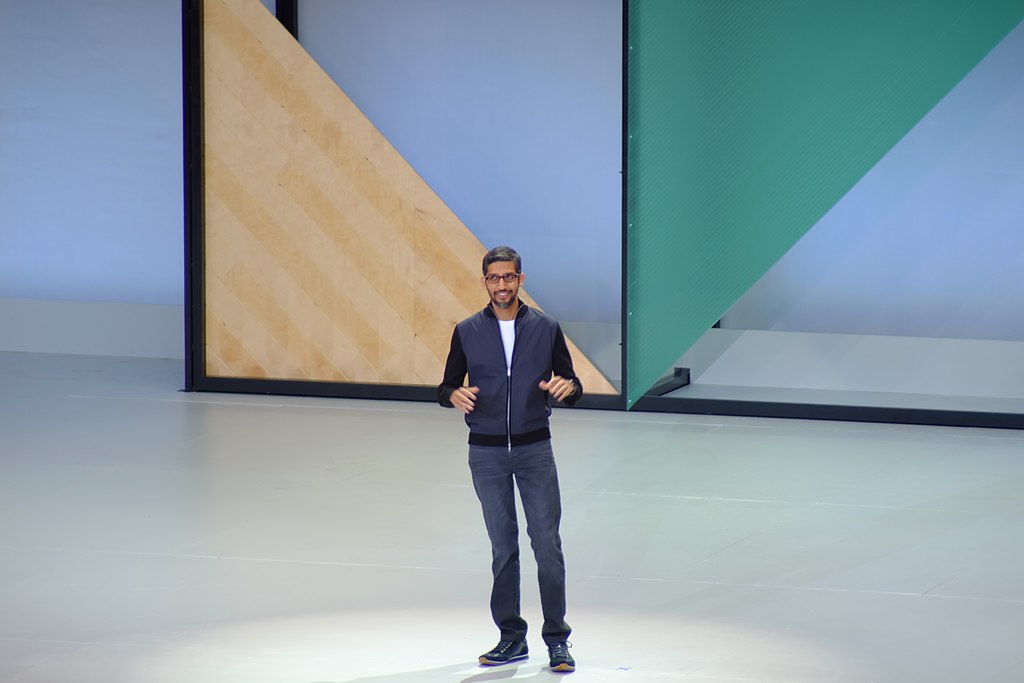
In a recent interview, Sundar Pichai, the CEO of Google and Alphabet, shared insights on how artificial intelligence (AI) will shape the future of search engines. Pichai emphasized that AI is not a newcomer to Google; the tech giant has been pioneering in AI since 2016. Here are the key points from his conversation:

AI’s Growing Role

Pichai stated, “…one of the main things I did as a CEO is to really pivot the company towards working on AI… We’re still in the very early days… we’ve scratched the tip of the iceberg.” This indicates Google’s long-term commitment to AI and its belief in the technology’s potential to revolutionize search.

The Essence of Search Remains

Despite concerns, Pichai reassures that the core of search—people finding the information they need—won’t change. He clarified, “Look, I think it’s one of the common myths… the only thing different is the technology.” This shows his vision of a future where AI complements, rather than overhauls, the search experience.

Trust in Search

Reflecting on the evolution of search, Pichai noted, “Search used to be text and 10 blue links… now, you find images, videos, and answers to your questions… people trust it.” He stresses the continuous adaptation of search to user needs and the maintained trust users have in Google’s ability to deliver relevant information.

Bias and Balance

Addressing concerns about biases in search results, Pichai highlighted Google’s aim to reflect the diversity of information available on the web and to point users to trustworthy sites. He pointed out, “I think we’ve always struck the balance… it’s not about giving an answer, there are times you want to surface the breadth of opinions out there.”

SGE vs. Chatbots

Pichai made a critical distinction between the Search Generative Experience and chatbots, stating, “And so I think that’s different from when you’re in a chatbot… it’s an area where we will be deeply committed to getting it right.” This distinction underlines Google’s commitment to ensuring that the search experience remains rich and informative, rather than just mimicking a chatbot conversation.

AI’s Role in Enhancement

Towards the end, Pichai emphasized, “The thing that excites me about AI is… it can improve search, can improve YouTube, can improve Waymo…” This illustrates his view of AI as a tool for enhancement across various platforms, not a replacement for existing technologies or roles.

Evolving Role of AI

Pichai’s discussion sheds light on the evolving role of AI in search, aiming to enhance rather than replace the search experience. With a focus on maintaining the importance of websites, providing trustworthy information, and differentiating search from chatbots, Google envisions a future where AI supports and improves the way we access information.


Exploring the Impact of AI on SEO Jobs: A Deep Dive

[et_pb_section fb_built=”1″ admin_label=”section” _builder_version=”4.16″ global_colors_info=”{}” theme_builder_area=”post_content”][et_pb_row admin_label=”row” _builder_version=”4.27.5″ background_size=”initial” background_position=”top_left” background_repeat=”repeat” hover_enabled=”0″ global_colors_info=”{}” theme_builder_area=”post_content” width=”100%” max_width=”2560px” sticky_enabled=”0″][et_pb_column type=”4_4″ _builder_version=”4.16″ custom_padding=”|||” global_colors_info=”{}” custom_padding__hover=”|||” theme_builder_area=”post_content”][et_pb_text admin_label=”Text” _builder_version=”4.27.5″ background_size=”initial” background_position=”top_left” background_repeat=”repeat” hover_enabled=”0″ global_colors_info=”{}” theme_builder_area=”post_content” sticky_enabled=”0″]The landscape of the tech industry is rapidly evolving, especially with the advent of generative AI and its integration into SEO workflows. This evolution, coupled with significant layoffs in the tech sector, poses a critical question (recently posted on SEJ’s blog): Are we on the cusp of an era where AI could replace human jobs? Companies like Google, UPS, and Duolingo are pivoting towards AI, which signals a shift in how businesses value technology over traditional human labor. This shift prompts an important conversation about the future of employment in the tech and SEO sectors.

The Rising Role of AI in SEO

Transformation of SEO Workflows

With AI’s integration into SEO, the way specialists work has seen a dramatic transformation. Tasks that once took hours, such as optimizing a landing page or devising a content strategy, can now be accomplished much more swiftly and efficiently. AI has supercharged tools used in SEO, making data analysis, keyword research, and content optimization not just faster but more effective. The ability of AI to process vast amounts of data rapidly has provided SEO professionals with insights that were previously hard to come by.

Automating the Tedious Tasks

One of AI’s most welcomed benefits in SEO is its ability to automate repetitive and mundane tasks. This includes generating titles and metadata, checking for broken links, optimizing images, and more. By automating these tasks, AI frees up SEO specialists to focus on more strategic and impactful aspects of their work.

The Indispensable Human Element

Content Creation and Oversight

While AI has proven to be a valuable ally in generating content ideas and even drafting preliminary content, it cannot replace the human touch. High-quality, accurate, and relevant content that adheres to a brand’s voice and E-E-A-T principles requires human oversight. Moreover, with Google’s crackdown on AI-generated content that lacks human input, the role of SEO and content editors in reviewing and refining AI-generated content has become even more crucial.

Strategic Thinking and Creativity

AI might be a powerhouse for data analysis and automation, but it falls short in areas requiring creativity, empathy, and strategic thinking. These aspects are vital for understanding audience needs, crafting compelling messages, and building trust and loyalty. Despite AI’s advancements, human insight and creativity remain at the heart of successful SEO strategies.

Navigating Ethical Considerations

With great power comes great responsibility, and the use of AI in SEO is no exception. SEO specialists must navigate ethical considerations, ensuring that AI tools are used responsibly and in line with search engine guidelines to avoid penalties. This includes being mindful of data privacy, avoiding bias, and ensuring content accuracy and relevance.

AI’s Limitations and the Future of SEO

While AI has enhanced the efficiency of SEO tasks, it’s not without its limitations. AI relies on existing data for training and lacks the capacity for innovation beyond its programming. The nuanced understanding and contextual insights that experienced SEO professionals bring to the table cannot be replicated by AI. Additionally, the effectiveness of AI is contingent upon the quality of inputs it receives, highlighting the need for strategic human intervention.

The Synergy of AI and Human Expertise

As we look towards the future, it’s clear that AI will continue to be an invaluable tool for SEO specialists. However, it will not replace the need for human expertise, creativity, and strategic thinking. The role of SEO specialists is evolving, with a greater focus on managing and interpreting AI-generated data and insights. Those who embrace AI while maintaining a human-centric approach to SEO will find themselves well-positioned for success in this dynamic landscape. The integration of AI into SEO represents a shift towards more efficient and effective workflows. However, the essence of SEO—strategic thinking, creativity, and ethical considerations—remains deeply human. By leveraging AI’s capabilities and integrating them with human insight and creativity, SEO professionals can navigate the future of the industry with confidence and success. [/et_pb_text][/et_pb_column][/et_pb_row][/et_pb_section]

We use cookies to enhance your browsing experience, personalize content, and analyze our traffic. By clicking “Accept,” you consent to our use of cookies. View our Privacy Policy for more information.